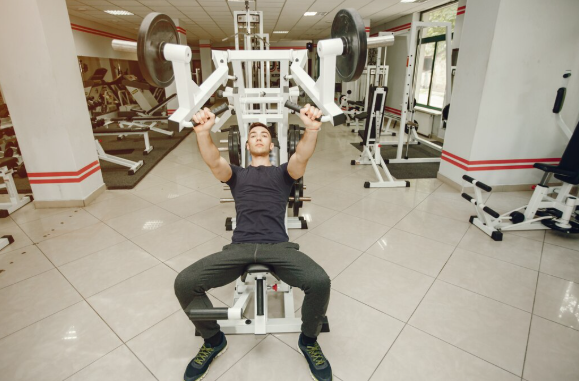
Choosing the right fitness environment can make a significant difference in how consistently you exercise and how effectively you work toward your goals. kinetic gym is a term that can refer to a fitness facility, training concept, or workout environment centered around movement, energy, and functional exercise. Whether you are interested in strength training, cardiovascular conditioning, mobility, or overall wellness, understanding what to look for in a modern gym can help you create a routine that is practical, enjoyable, and sustainable.
What Makes a Modern Fitness Facility Different?
A modern fitness facility is more than a room filled with exercise machines. It is an environment designed to help people move safely, develop physical capacity, and maintain consistent habits.
Many facilities combine traditional gym equipment with functional training areas, group classes, recovery options, and personalized coaching.
Common features may include:
- Cardio machines
- Free weights
- Resistance machines
- Functional training equipment
- Stretching areas
- Group exercise studios
- Personal training
- Locker facilities
- Recovery spaces
- Fitness assessment services
The exact features vary between facilities, so it is important to consider what matches your personal needs rather than choosing a gym based solely on its size or appearance.
Understanding Kinetic Training
The word “kinetic” relates to movement. In fitness, movement-based training can involve exercises that require the body to coordinate several muscles and joints at the same time.
Examples include:
- Squats
- Lunges
- Push-ups
- Pulling exercises
- Kettlebell movements
- Medicine-ball exercises
- Step-ups
- Carrying exercises
These movements can help develop coordination, stability, strength, and physical control.
Why Movement Quality Matters
Exercise is not simply about lifting heavier weights or exercising for longer periods. The quality of movement also matters.
Good movement patterns can help you perform exercises more efficiently and may make training more comfortable. Beginners should learn basic techniques before increasing resistance or intensity.
A qualified trainer can be particularly useful when someone is unfamiliar with an exercise or wants help developing proper technique.
Benefits of Regular Gym Training
Consistent exercise can support many aspects of physical fitness.
Improved Strength
Resistance training challenges muscles and encourages gradual adaptation. Over time, a structured strength program can help people become stronger and perform everyday tasks more comfortably.
Strength training can involve:
- Dumbbells
- Barbells
- Resistance bands
- Cable machines
- Weight machines
- Bodyweight exercises
The most appropriate equipment depends on experience, goals, and individual preferences.
Better Cardiovascular Fitness
Cardiovascular exercise trains the heart and lungs to support sustained physical activity.
Common options include:
- Walking
- Jogging
- Cycling
- Rowing
- Swimming
- Elliptical training
- Group cardio classes
Beginners do not necessarily need extremely intense workouts. Building consistency and gradually increasing activity can be a more practical approach.
Improved Mobility and Flexibility
Strength and cardiovascular fitness are only parts of overall physical performance. Mobility and flexibility can also influence how comfortably a person moves.
A balanced routine may include:
- Dynamic warm-ups
- Mobility exercises
- Stretching
- Controlled strength movements
- Recovery sessions
Creating a Balanced Workout Routine
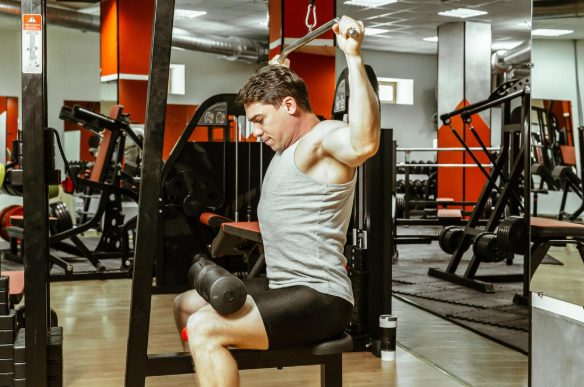
One of the most common mistakes beginners make is focusing on only one type of exercise.
A balanced program can include several components.
| Training Area | Examples |
|---|---|
| Strength | Squats, presses, rows |
| Cardio | Walking, cycling, rowing |
| Mobility | Joint movements, dynamic drills |
| Core | Planks, controlled trunk exercises |
| Recovery | Light movement, stretching |
The amount of time devoted to each category can change depending on individual goals.
Someone training for a running event may emphasize cardiovascular work, while another person focused on general strength may spend more time with resistance exercises.
Choosing Equipment for Your Goals
A good gym should offer equipment that supports your preferred activities.
Free Weights
Free weights provide flexibility and can be used for many exercises. Dumbbells are especially useful because they allow users to train each side of the body independently.
Resistance Machines
Machines can provide a more controlled movement path and may be useful for beginners learning resistance training.
Cardio Equipment
Treadmills, bikes, rowing machines, stair machines, and ellipticals provide different ways to develop cardiovascular fitness.
Functional Training Equipment
Functional areas may contain:
- Kettlebells
- Medicine balls
- Resistance bands
- Suspension trainers
- Plyometric boxes
- Battle ropes
These tools can support varied workouts and movement-based exercises.
Personal Training and Coaching
Some people benefit from working with a fitness professional.
A qualified trainer can help with:
- Exercise selection
- Workout structure
- Technique
- Progression
- Accountability
- Goal setting
Beginners may appreciate coaching because learning how to perform movements correctly can be difficult without guidance.
More experienced gym members may also use personal training when they want to overcome a plateau or develop a specialized program.
When selecting a trainer, consider their qualifications, communication style, experience, and ability to adapt exercises to individual circumstances.
Group Fitness Classes
Group classes can make exercise more social and structured.
Popular options include:
- Strength classes
- Cycling
- Yoga
- Pilates
- Dance fitness
- Circuit training
- High-intensity interval sessions
- Mobility classes
The atmosphere of a group class can also provide motivation for people who find independent workouts repetitive.
However, participants should choose classes appropriate for their fitness level and communicate with instructors when modifications are needed.
How Beginners Can Get Started
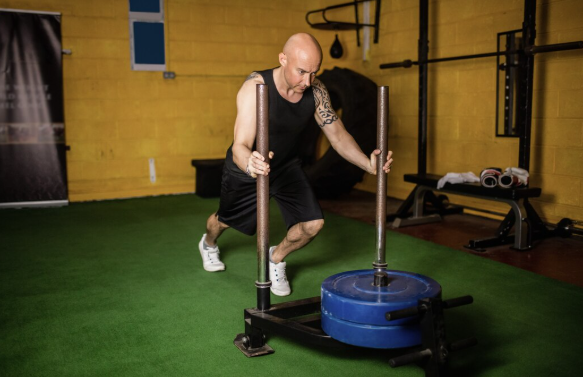
Starting a new exercise routine does not require an advanced program.
A beginner can begin with three basic steps.
Start Gradually
Trying to exercise intensely every day can make it difficult to maintain consistency. Starting with manageable sessions allows the body to adjust.
Learn Fundamental Movements
Before adding significant resistance, learn basic patterns such as:
- Squatting
- Hinged movements
- Pushing
- Pulling
- Bracing
- Carrying
These patterns appear in many different exercises.
Establish a Schedule
A realistic schedule is easier to maintain than an ambitious plan that quickly becomes overwhelming.
For example, someone new to exercise might begin with several manageable sessions each week and gradually adjust the frequency based on recovery and goals.
Making Workouts More Effective
The effectiveness of a workout is influenced by more than how hard someone exercises.
Use Progressive Overload
Progressive overload means gradually increasing the challenge placed on the body.
Progress may involve:
- Adding resistance
- Increasing repetitions
- Increasing sets
- Improving exercise technique
- Increasing range of motion
- Reducing unnecessary rest when appropriate
Progress should be gradual rather than rushed.
Track Your Workouts
Keeping a simple training log can make progress easier to understand.
Record details such as:
- Exercise
- Weight or resistance
- Repetitions
- Sets
- Workout duration
- Personal observations
Over several weeks, these records can show whether training is progressing.
The Importance of Recovery
Exercise creates a training stimulus, but recovery allows the body to adapt.
Recovery can involve:
- Adequate sleep
- Rest days
- Hydration
- Balanced nutrition
- Appropriate training volume
- Light movement
Training harder is not always better. Excessive exercise without adequate recovery can interfere with consistency.
Nutrition and Fitness
Exercise and nutrition often work together.
A balanced eating pattern can provide the energy and nutrients needed for daily activity and training.
Depending on individual goals, a person’s diet may include:
- Protein-rich foods
- Fruits and vegetables
- Whole grains
- Healthy fats
- Adequate fluids
People with specific medical or nutritional needs should seek individualized advice from an appropriately qualified professional.
What to Look for When Choosing a Gym
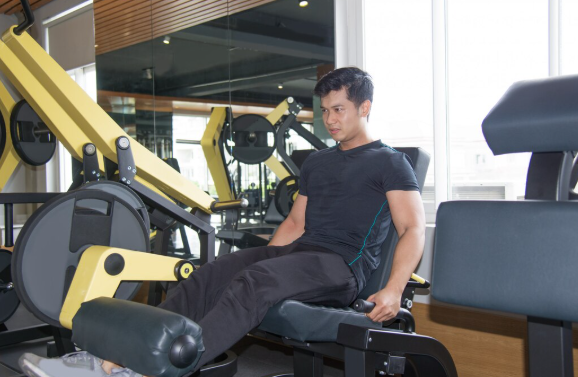
Not every fitness facility will suit every person.
Before joining, consider the following factors.
Location
A convenient location can make it easier to maintain a routine. A gym that is close to home, work, or another regular destination may reduce barriers to attendance.
Operating Hours
Check whether the opening hours fit your schedule.
Equipment
Make sure the facility has the equipment needed for your preferred workouts.
Cleanliness
Clean training areas, equipment, changing rooms, and common spaces contribute to a more comfortable environment.
Staff and Support
Friendly, knowledgeable staff can make a difference, particularly for beginners.
Membership Options
Review the pricing structure carefully. Consider membership duration, joining fees, cancellation policies, and any additional charges.
Gym Etiquette
Good gym etiquette makes the facility more enjoyable for everyone.
Simple practices include:
- Wipe equipment after use.
- Return weights to their proper locations.
- Avoid occupying equipment unnecessarily.
- Give other members adequate space.
- Follow facility rules.
- Keep personal belongings organized.
- Ask before interrupting someone’s exercise.
- Use headphones at an appropriate volume.
These habits help create a respectful training environment.
Staying Motivated Over Time
Motivation naturally changes. Building habits can be more reliable than depending on motivation every day.
One useful approach is to establish measurable goals.
Instead of saying, “I want to get fit,” create specific targets such as:
- Attend three workouts each week.
- Walk for 30 minutes on selected days.
- Improve a particular exercise technique.
- Complete a certain number of strength sessions each month.
Small improvements can provide a sense of progress without requiring dramatic changes.
Find Activities You Enjoy
Exercise does not need to feel like punishment.
If you enjoy cycling, group classes, strength training, swimming, walking, or functional workouts, you are more likely to maintain the activity.
Experimenting with different training styles can help identify what works best for you.
Safety Considerations
Exercise should be appropriate for your current fitness level.
Warm up before demanding workouts, use appropriate technique, and increase intensity gradually. If an exercise causes unusual or significant pain, stop and seek appropriate guidance.
People who are new to exercise or have specific health concerns may benefit from speaking with a qualified healthcare or fitness professional before starting a demanding program.
Key Points to Remember
- Choose a gym based on your goals, schedule, and preferred activities.
- Movement quality is an important part of effective exercise.
- A balanced program can combine strength, cardio, mobility, and recovery.
- Beginners should start gradually and learn fundamental techniques.
- Progressive overload can help support long-term improvement.
- Tracking workouts makes progress easier to evaluate.
- Recovery is an important part of training.
- Nutrition and hydration support an active lifestyle.
- Convenient location and suitable operating hours can improve consistency.
- Good gym etiquette helps create a positive environment.
Final Thoughts
A successful fitness routine is built around consistency, appropriate training, and realistic goals. A modern gym can provide the equipment, space, coaching, and community needed to support different forms of exercise, but the most important factor is creating a routine that fits your lifestyle.
Whether your goal is improving strength, developing cardiovascular fitness, increasing mobility, or simply becoming more active, start with manageable steps. Learn proper movement patterns, track your progress, allow time for recovery, and gradually increase the challenge as your abilities develop.
With a thoughtful approach, gym training can become a sustainable part of a healthy and active lifestyle.
Frequently Asked Questions
1. What type of workouts can I do at a modern gym?
You can typically combine resistance training, cardiovascular exercise, mobility work, functional exercises, and group fitness classes depending on the equipment and services available.
2. How often should a beginner go to the gym?
Beginners can start with a manageable schedule that allows sufficient recovery. Consistency is generally more important than trying to exercise intensely every day.
3. Should I use machines or free weights?
Both can be useful. Machines may provide more controlled movement, while free weights allow greater flexibility and can challenge stabilization. The right choice depends on your experience and goals.
4. Is personal training useful for beginners?
Personal training can be helpful for learning exercise technique, developing a structured routine, and receiving individualized guidance.
5. How can I stay consistent with my workouts?
Set realistic goals, create a regular schedule, track your progress, and choose activities you enjoy. Making exercise convenient and manageable can also make consistency easier.
One thought on “Kinetic Gym: A Complete Guide to Dynamic Fitness and Better Workouts”