
A 7 day workout plan can provide structure for people who want to improve strength, endurance, mobility, and overall fitness without randomly choosing exercises each day. A good weekly routine does not mean performing intense workouts seven days in a row. Instead, it combines strength training, cardio, mobility, active recovery, and rest so the body has opportunities to adapt and recover. The right schedule can also make exercise easier to maintain because you know exactly what to focus on each day.
Whether you exercise at home or in a gym, a structured week can help you stay consistent. Beginners should prioritize manageable workouts and proper technique, while more experienced exercisers can gradually increase resistance, repetitions, duration, or intensity.
Why a Weekly Workout Structure Matters
Following a planned routine can make exercise more organized and purposeful. Instead of repeatedly training the same muscles, a weekly schedule can distribute different types of activity across several days.
A balanced program can include:
- Strength training for major muscle groups
- Cardiovascular exercise for endurance
- Core exercises for stability
- Mobility and flexibility work
- Active recovery
- At least one easier or complete rest day
The goal is not to make every workout exhausting. Training too hard every day can interfere with recovery and make it difficult to maintain the routine.
How to Structure Your Week
A useful weekly schedule should alternate demanding sessions with lighter activities. For example, an upper-body strength day can be followed by lower-body training or moderate cardio rather than another intense upper-body session.
The following routine is designed as a general framework. Exercises can be modified according to fitness level, available equipment, and personal goals.
| Day | Main Focus | Suggested Duration |
|---|---|---|
| Day 1 | Upper-body strength | 30–45 minutes |
| Day 2 | Lower-body strength | 30–45 minutes |
| Day 3 | Cardio and core | 25–40 minutes |
| Day 4 | Active recovery and mobility | 20–40 minutes |
| Day 5 | Full-body strength | 30–50 minutes |
| Day 6 | Cardio or recreational activity | 30–60 minutes |
| Day 7 | Rest and recovery | Flexible |
Day 1: Upper-Body Strength
Start the week with exercises that target the chest, back, shoulders, arms, and upper-body stabilizing muscles.
Sample Workout
- Push-ups: 3 sets of 8–12
- Dumbbell or resistance-band rows: 3 sets of 10–12
- Shoulder presses: 3 sets of 8–12
- Biceps curls: 2–3 sets of 10–15
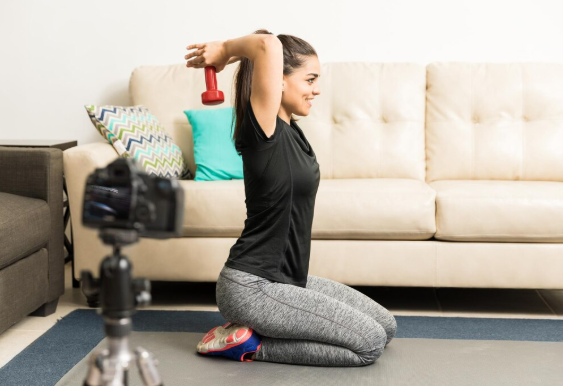
- Triceps extensions: 2–3 sets of 10–15
- Plank: 2–3 rounds of 20–45 seconds
If you are new to exercise, reduce the number of sets or use easier variations. For example, push-ups can be performed against a wall, countertop, or elevated surface.
Focus on controlled movement instead of rushing through repetitions.
Day 2: Lower-Body Strength
The second session focuses on the legs and hips. Strengthening these areas supports everyday movements such as walking, climbing stairs, lifting objects, and maintaining balance.
Sample Workout
- Bodyweight or goblet squats: 3 sets of 10–15
- Reverse lunges: 3 sets of 8–12 per leg
- Glute bridges: 3 sets of 12–15
- Romanian deadlifts: 3 sets of 8–12
- Calf raises: 3 sets of 12–20
- Side leg raises: 2 sets of 12–15 per side
Warm up before beginning your working sets. A few minutes of easy walking, marching, hip movements, and bodyweight squats can help prepare the body.
If you experience discomfort rather than normal muscular effort, stop and reassess your technique or exercise selection.
Day 3: Cardio and Core

Cardiovascular exercise can improve stamina while core training supports stability and controlled movement.
Choose an activity that matches your fitness level. Brisk walking, cycling, swimming, dancing, rowing, or light jogging can all be useful options.
Sample Cardio Session
Start with five minutes of easy movement. Then perform 20–25 minutes of moderate cardio at an intensity that feels challenging but sustainable.
After cardio, complete:
- Dead bugs: 3 sets of 8–12 per side
- Bird dogs: 3 sets of 8–12 per side
- Bicycle crunches: 2–3 sets of 10–15 per side
- Plank: 2–3 rounds
- Side plank: 2 rounds per side
You do not need to perform extremely intense cardio to make this day productive. Consistent moderate movement can be a practical part of a balanced routine.
Day 4: Active Recovery and Mobility
Recovery is an important part of fitness rather than wasted training time. Day four can reduce the overall intensity while keeping you moving.
Try:
- 20–30 minutes of easy walking
- Gentle yoga
- Hip mobility exercises
- Shoulder mobility movements
- Light stretching
- Deep-breathing exercises
This day is particularly useful if you feel tired after the first three sessions.
Active recovery should feel comfortable. It should not become another demanding workout.
Day 5: Full-Body Strength
The fifth day brings together movements for the upper body, lower body, and core.
Sample Full-Body Routine
Complete 2–3 sets of each exercise:
- Squats
- Push-ups or chest presses
- Dumbbell rows
- Hip hinges or deadlifts
- Shoulder presses
- Glute bridges
- Planks
Rest between sets and focus on proper technique.
If you use weights, select a resistance that allows you to maintain good form throughout the set. As your fitness improves, you can gradually increase resistance or repetitions rather than making dramatic changes from one week to the next.
Day 6: Cardio or Enjoyable Physical Activity
Day six is an opportunity to choose an activity you genuinely enjoy.
Possible options include:
- Brisk walking
- Cycling
- Swimming
- Hiking
- Dancing
- Recreational sports
- Light jogging
- Low-impact cardio classes
Enjoyable activities can make a weekly routine easier to maintain because exercise becomes less of a chore.
The intensity should depend on what you did earlier in the week. If your body feels fatigued, choose a lighter activity instead of forcing a hard session.
Day 7: Rest and Recovery
A complete rest day gives your body time to recover from the week’s training.
You can still perform normal daily activities, but there is no need for a structured workout. Prioritize:
- Adequate sleep
- Hydration
- Balanced meals
- Relaxation
- Light movement if desired
Rest is especially important after several strength-training sessions because muscles need time to recover and adapt.
Adjusting the Routine for Beginners
Someone who is completely new to exercise should not feel obligated to complete every exercise or every set.
A beginner can start with 15–30-minute sessions and gradually increase workout duration. Bodyweight exercises are often sufficient for learning movement patterns before adding external resistance.
For example, instead of three sets of squats, begin with two sets. Instead of running, start with brisk walking. Instead of a demanding HIIT workout, choose moderate cycling or another low-impact activity.
Consistency matters more than doing everything perfectly during the first week.
How to Progress Over Time
Repeating exactly the same workout indefinitely may eventually lead to a plateau. Progress can come from several different adjustments.
Increase Repetitions
If an exercise becomes easy, add a few controlled repetitions while maintaining good form.
Increase Resistance
When using weights or resistance bands, gradually increase the challenge when your current load no longer feels sufficiently demanding.
Improve Technique
Progress is not always about heavier weights. Better control, range of motion, posture, and consistency can also improve performance.
Increase Cardio Duration
You can gradually extend walking, cycling, swimming, or another cardiovascular activity as your endurance improves.
The goal is gradual progression rather than dramatic increases.
Equipment You May Need
You do not necessarily need a gym to follow a weekly routine.
A basic home setup might include:
| Equipment | Useful For |
|---|---|
| Exercise mat | Floor exercises and stretching |
| Resistance bands | Rows, presses, and leg exercises |
| Dumbbells | Strength training |
| Stable bench or chair | Supported exercises |
| Walking shoes | Outdoor cardio |
| Water bottle | Hydration |
Bodyweight exercises can form the foundation of a routine if you do not have equipment.
Combining Strength and Cardio
Strength and cardio serve different purposes, but they can complement each other. A balanced weekly schedule can include both instead of focusing exclusively on one.
If strength development is your primary goal, perform demanding strength work when you are fresh and use cardio strategically. If endurance is your main goal, prioritize your key cardiovascular sessions.
You can also keep cardio sessions relatively easy on days surrounding demanding strength workouts.
Common Mistakes to Avoid

Exercising Hard Every Day
More exercise is not automatically better. Your body needs recovery, particularly after challenging resistance workouts.
Skipping the Warm-Up
A few minutes of easy movement can prepare your body for exercise and help you transition into the workout.
Ignoring Technique
Poor form can reduce exercise effectiveness and increase unnecessary strain. Learn the movement before adding significant resistance.
Changing the Routine Too Often
Constantly switching workouts can make it difficult to determine whether you are progressing. Give a sensible routine enough time to establish consistency.
Focusing Only on Weight Loss
Changes in body composition are only one possible measure of progress. Strength, endurance, mobility, energy, and exercise consistency can also improve.
Making the Routine Sustainable
The best workout routine is one that fits your real life.
If you have limited time, shorten sessions instead of abandoning the entire week. A 20-minute workout can still be useful when performed consistently.
You can also schedule workouts around your daily responsibilities. Some people prefer exercising in the morning, while others perform better later in the day.
Prepare workout clothes in advance, keep basic equipment accessible, and choose activities you enjoy. Small practical decisions can make consistency easier.
Key Points to Remember
- A good weekly routine balances training and recovery.
- Strength workouts can target different muscle groups on different days.
- Cardio can be walking, cycling, swimming, jogging, dancing, or another enjoyable activity.
- Active recovery is useful when your body needs lighter movement.
- Beginners should start gradually rather than attempting advanced workouts immediately.
- Proper technique should come before heavier resistance or higher intensity.
- Progress can come from additional repetitions, resistance, duration, or improved technique.
- Rest and sleep are important parts of physical adaptation.
- You do not need expensive equipment to build an effective routine.
- The most effective schedule is one you can follow consistently.
Final Thoughts
A well-structured weekly exercise routine can make fitness more manageable by giving every day a clear purpose. Instead of trying to make every session intense, balance strength training, cardio, mobility, active recovery, and rest.
Start at a level that matches your current ability and gradually increase the challenge as you become fitter. Pay attention to technique, recovery, hydration, nutrition, and sleep. Most importantly, choose activities that fit your lifestyle so exercise becomes a sustainable habit rather than a short-term challenge.
FAQs
Is it okay to exercise every day?
It can be, provided every day is not an intense workout. A weekly schedule can include lighter activities such as walking, mobility work, or stretching alongside more demanding training sessions.
How long should a daily workout be?
For many people, 20–60 minutes can be sufficient depending on the workout type and fitness goal. Beginners can start with shorter sessions and gradually build duration.
Can beginners follow a weekly workout routine?
Yes. Beginners should reduce intensity, repetitions, and resistance as needed. Starting with basic movements and focusing on technique is more important than completing an advanced routine.
Can this type of routine help with weight loss?
Regular physical activity can contribute to increased energy expenditure, but weight management also depends on nutrition, sleep, daily activity, and other individual factors.
Should I take a rest day each week?
A dedicated rest or very light recovery day can be useful for many people. The appropriate amount of recovery depends on workout intensity, fitness level, sleep, age, and individual circumstances.
One thought on “7 Day Workout Plan: A Balanced Weekly Routine for Strength and Fitness”