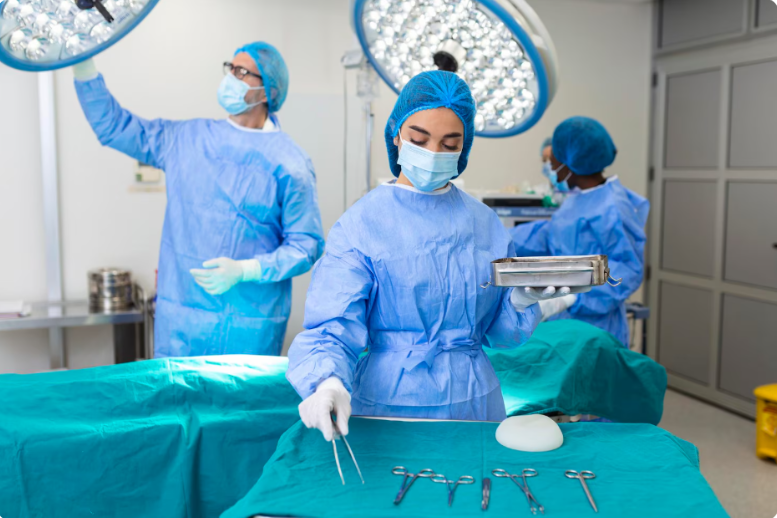
Modern healthcare continues to evolve through the development of innovative medical technologies that improve patient safety, surgical precision, and treatment outcomes. Among the many advancements transforming surgical procedures, stapling technology has become an essential part of modern operating rooms across the world.
Hospitals and healthcare providers increasingly rely on solutions developed by every leading surgical stapler manufacturer to support faster procedures, reduce complications, and improve recovery times for patients. These advanced surgical tools are widely used in minimally invasive and complex surgeries because they provide consistent tissue closure with greater efficiency than traditional suturing methods.
As demand for precision-based healthcare continues to rise, surgical stapling systems are playing a major role in shaping the future of modern surgery.
The Evolution of Surgical Procedures
Traditional surgical methods often required extensive manual suturing, which could increase operation time and place additional strain on surgeons during complex procedures. As medical technology advanced, healthcare professionals began adopting surgical staplers to improve consistency and efficiency in wound closure and tissue connection.
Today, modern stapling systems are designed to support a wide range of surgical specialties, including gastrointestinal, thoracic, bariatric, gynecological, and general surgery procedures. Their ability to deliver reliable results has made them an important part of both open and minimally invasive surgeries.
Healthcare providers continue to invest in advanced surgical technologies that can improve clinical performance while supporting safer patient care.
Advantages of Modern Surgical Stapling Systems
One of the key benefits of surgical staplers is their ability to provide fast and secure tissue closure. Compared to traditional suturing techniques, staplers can reduce operation time and help surgeons perform procedures more efficiently.
These devices are designed to create uniform staple lines that support healing and minimize tissue trauma. Reduced surgical time may also lower the risk of complications related to prolonged anesthesia exposure.
Modern stapling technologies are especially valuable in minimally invasive procedures where precision and control are essential. Smaller incisions require advanced surgical tools capable of operating effectively within limited spaces.
Patients also benefit from faster recovery times, less postoperative discomfort, and shorter hospital stays when advanced surgical technologies are used effectively.
Innovation Driving Surgical Advancement
Medical technology companies continue to invest heavily in research and development to improve surgical performance and patient safety. Advanced stapling systems now include features such as powered firing mechanisms, tissue sensing technology, and enhanced articulation capabilities.
Some modern devices can automatically adjust to different tissue thicknesses, helping surgeons achieve more consistent outcomes during complex procedures. These innovations support greater accuracy and improve surgical confidence in challenging operating environments.
The integration of robotic-assisted surgery and digital operating systems is also influencing the future of surgical stapling technology. Smart surgical tools are becoming increasingly connected to advanced healthcare platforms that improve procedural efficiency and surgical planning.
Rising Demand Across Global Healthcare Markets
The global demand for advanced surgical equipment continues to grow due to increasing healthcare investments, aging populations, and rising rates of chronic diseases that require surgical treatment.
Hospitals are prioritizing technologies that improve operational efficiency while maintaining high standards of patient safety. Surgical staplers have become widely adopted because they help streamline procedures and support better clinical outcomes.
Emerging healthcare markets are also investing in modern surgical infrastructure, creating strong opportunities for medical technology companies worldwide. As healthcare systems continue to modernize, the use of advanced stapling solutions is expected to increase significantly.
Minimally invasive surgery trends are further driving demand for specialized surgical tools that improve precision and reduce patient recovery time.
Focus on Safety and Quality Standards
Patient safety remains one of the highest priorities in modern healthcare. Surgical equipment manufacturers must comply with strict international quality and regulatory standards before products can be approved for clinical use.
Advanced stapling systems undergo extensive testing to ensure reliability, durability, and consistent performance during surgical procedures. Healthcare professionals also receive specialized training to operate these technologies safely and effectively.
Continuous improvements in engineering and product design are helping manufacturers develop more user-friendly systems that support better patient outcomes and reduce surgical risks.
Healthcare institutions increasingly seek surgical technologies that combine innovation, efficiency, and long-term reliability.
The Future of Surgical Technology
The future of surgery will continue to be shaped by automation, robotics, and digital healthcare innovation. Surgical stapling systems are expected to become even more advanced as manufacturers integrate artificial intelligence, smart feedback systems, and robotic compatibility into surgical platforms.
Future developments may include enhanced tissue recognition, real-time performance monitoring, and improved precision during minimally invasive procedures. These advancements will help surgeons perform operations with greater confidence and efficiency.
As healthcare providers continue focusing on patient-centered treatment approaches, advanced surgical technologies will remain essential in supporting safer and more effective medical care.
Conclusion
Modern surgery continues to advance through innovative technologies that improve precision, efficiency, and patient outcomes. The contributions made by every major surgical stapler manufacturer are helping healthcare providers perform complex procedures with greater reliability and improved surgical performance.
As hospitals worldwide continue adopting minimally invasive techniques and technology-driven healthcare solutions, the demand for advanced surgical stapling systems will continue to grow. With ongoing innovation and strong focus on quality and safety, surgical stapling technology will remain a vital part of modern healthcare for years to come.