



Understanding Lifestyle as a Daily Practice
Lifestyle is shaped by everyday choices rather than isolated decisions. The way individuals organize time, energy, and priorities determines how balanced life feels over the long term. Small habits repeated consistently influence physical comfort, emotional stability, and mental clarity. Viewing lifestyle as a daily practice helps create awareness of how actions align with personal values and long term goals.
Balance Between Responsibility and Rest
A fulfilling life requires balance between effort and recovery. Constant activity without rest can lead to exhaustion, while excessive rest may reduce motivation. A well structured lifestyle supports both productivity and relaxation. By recognizing personal limits and respecting the need for rest, individuals can maintain energy and focus without unnecessary strain.
The Role of Mindful Habits
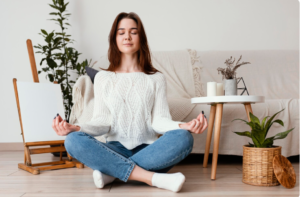
Mindful habits encourage intentional living. Paying attention to routines helps identify what supports well being and what causes stress. Simple practices such as focused breathing, reflective moments, or thoughtful planning improve awareness. Over time, mindfulness strengthens decision making and encourages habits that support stability and satisfaction.
Creating Structure Without Rigidity
Structure provides direction, but too much rigidity can feel restrictive. A healthy lifestyle balances organization with flexibility. Planning daily routines while allowing space for adjustment reduces pressure and supports adaptability. This approach helps individuals respond calmly to unexpected changes while maintaining a sense of control.
Supporting Emotional Well Being
Emotional health is closely connected to lifestyle patterns. Overcommitment, lack of boundaries, or neglect of personal needs can affect emotional balance. A thoughtful lifestyle includes time for reflection, connection, and emotional expression. These elements help individuals process experiences and maintain inner stability.
Strengthening Mental Focus and Clarity
Mental clarity improves when daily habits support concentration and rest. Distractions and constant stimulation can reduce focus over time. A balanced lifestyle encourages periods of deep focus alongside moments of relaxation. This rhythm improves cognitive performance and reduces mental fatigue.
The Influence of Environment
Surroundings play an important role in shaping habits and mood. Organized, comfortable environments support calm and efficiency. A lifestyle that values order and simplicity reduces unnecessary stress. Adjusting spaces to reflect personal needs can improve motivation and overall comfort.
Building Consistency Through Small Actions
Lasting change is built through manageable steps. Attempting drastic changes often leads to frustration. A sustainable lifestyle focuses on small actions that can be maintained over time. Consistency builds confidence and reinforces positive patterns that support long term balance.
Relationships and Social Balance
Healthy relationships contribute significantly to fulfillment. A balanced lifestyle includes time for meaningful connections without sacrificing personal boundaries. Nurturing relationships while respecting individual needs creates mutual support and understanding. This balance strengthens emotional resilience and personal satisfaction.
Adapting to Life Transitions
Life is constantly changing, and lifestyles must evolve accordingly. Career shifts, personal growth, and new responsibilities require adjustments. A flexible lifestyle allows individuals to adapt without losing balance. Embracing change as part of growth helps maintain stability during transitions.
Aligning Actions With Values
Fulfillment grows when daily actions reflect personal values. A conscious lifestyle encourages alignment between what matters and how time is spent. This alignment reduces internal conflict and increases a sense of purpose. Living in accordance with values strengthens motivation and emotional clarity.
Long Term Impact on Well Being
The effects of lifestyle choices accumulate over time. Balanced habits support physical comfort, emotional resilience, and mental clarity. These benefits contribute to a higher quality of life and sustained fulfillment. A thoughtful lifestyle becomes a reliable foundation for well being.
A Path Toward Sustainable Fulfillment
Personal fulfillment is not achieved through perfection but through balance and awareness. Lifestyle choices guide this process by shaping daily experiences and long term outcomes. By focusing on consistency, flexibility, and alignment with values, individuals can create a lifestyle that supports lasting balance and meaningful fulfillment.