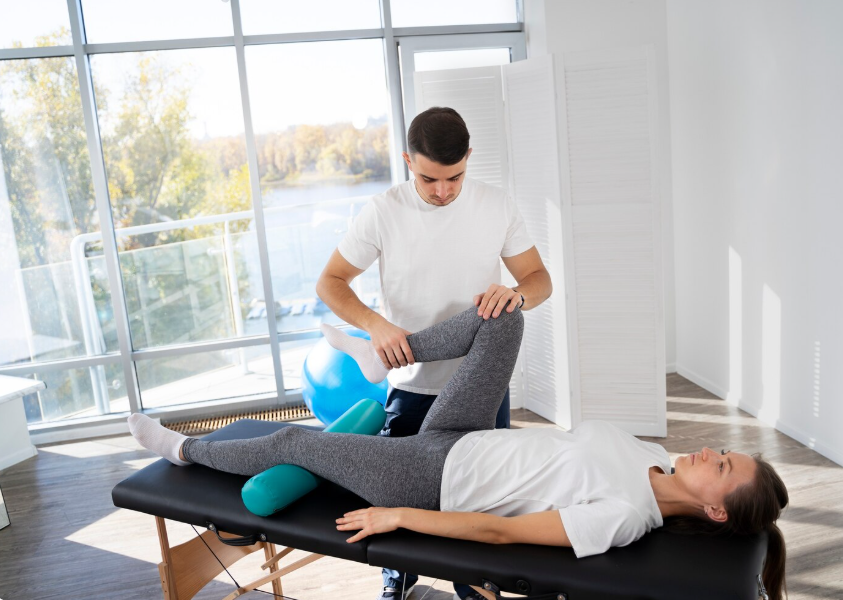
Maintaining a healthy and active lifestyle requires proper care of the body. However, physical discomfort, muscle injuries, joint stiffness, and movement difficulties can affect everyday activities. Whether someone experiences back pain from sitting for extended periods or struggles with flexibility after an injury, these problems can reduce comfort and limit daily performance. Physiotherapy offers a practical approach to improving physical function, supporting recovery, and encouraging better overall health.
Choosing Physiotherapy Hillarys can help individuals take meaningful steps towards improved mobility and physical wellbeing. Through professional assessment, personalised treatment plans, and suitable exercises, people can work towards reducing discomfort and regaining confidence in their movements.
Understanding the Role of Physiotherapy
Physiotherapy is a healthcare service that focuses on restoring movement, improving strength, and managing physical discomfort. It uses various techniques, including therapeutic exercises, stretching, manual therapy, and rehabilitation training.
People of different ages and lifestyles can benefit from physiotherapy. Office workers may experience neck and shoulder tension due to prolonged computer use, while athletes might require treatment following sports injuries. Older adults may also benefit from exercises that support balance, flexibility, and independence.
A qualified physiotherapist evaluates the individual’s physical condition before recommending appropriate treatment. This assessment helps identify movement limitations and establish realistic recovery goals.
Treatment for Common Physical Conditions
Physical problems can develop because of accidents, repetitive activities, poor posture, or muscle weakness. Physiotherapy provides different rehabilitation methods to address these concerns and improve everyday movement.
Some common conditions include:
- Back Pain: Targeted exercises can strengthen supporting muscles and improve spinal movement.
- Neck Discomfort: Gentle stretching and posture correction may help reduce tension caused by prolonged sitting.
- Sports Injuries: Rehabilitation exercises support recovery from muscle strains, ligament injuries, and other athletic problems.
- Joint Stiffness: Controlled movements can help maintain flexibility and improve joint function.
- Muscle Weakness: Strengthening activities improve stability, coordination, and physical performance.
Treatment should always be personalised according to the patient’s symptoms, medical history, and physical abilities.
Improving Flexibility and Everyday Mobility
Good mobility is essential for completing everyday activities comfortably. Walking, climbing stairs, bending, and lifting objects all require healthy muscles and flexible joints. When movement becomes restricted, maintaining an active lifestyle can become difficult.
Physiotherapy programmes often include stretching routines, resistance exercises, balance training, and functional movement activities. These techniques help improve muscle coordination, develop strength, and support better body control.
Regular exercise also encourages healthier movement patterns. Individuals learn how to maintain proper posture, perform activities safely, and avoid unnecessary strain on vulnerable areas.
Consistency plays an important role in rehabilitation. Following recommended exercises and gradually increasing activity levels can help individuals improve their physical abilities over time.
Rehabilitation After Injuries and Surgery
Recovering from an injury or surgical procedure often requires patience and professional guidance. Limited movement during recovery can lead to muscle weakness, joint stiffness, and reduced physical confidence.
A structured rehabilitation programme helps individuals gradually rebuild strength and return to their regular activities. Depending on the condition, treatment may include walking exercises, flexibility training, balance activities, and muscle strengthening.
Regular progress assessments allow physiotherapists to monitor improvements and adjust treatment when necessary. Following professional recommendations can make the recovery process more organised and manageable.
Preventing Future Injuries
Preventing injuries is an important part of maintaining long-term physical health. Poor posture, incorrect lifting techniques, insufficient warm-ups, and repetitive movements can increase physical strain.
Physiotherapy provides useful guidance about correct movement techniques, workplace ergonomics, stretching routines, and safe exercise practices. Athletes can benefit from sport-specific conditioning, while office workers may improve their comfort through better workstation arrangements.
Maintaining regular physical activity and developing stronger muscles can also support joint stability and reduce the risk of certain injuries.
Building Healthy Habits for Better Wellbeing
Long-term physical wellness depends on consistent lifestyle choices. Eating balanced meals, drinking enough water, getting sufficient sleep, and staying active can contribute to better health.
Taking short breaks during prolonged sitting and following recommended home exercise routines can help maintain flexibility and strength. Individuals should also avoid overexertion and seek professional advice when experiencing persistent or severe discomfort.
Small improvements in daily habits can make a meaningful difference to physical comfort and overall wellbeing.
Conclusion
Physiotherapy plays an important role in managing discomfort, supporting injury rehabilitation, and improving everyday movement. Through personalised treatment, appropriate exercises, and professional guidance, individuals can gradually develop better strength, flexibility, and mobility.
Prioritising physical health today can create opportunities for a more active and comfortable future. With patience, consistency, and suitable care, individuals can work towards lasting recovery and an improved quality of life.