women’s health problems and solutions is an important topic that covers the physical, reproductive, hormonal, and mental health concerns women may experience throughout life. From menstrual irregularities and polycystic ovary syndrome (PCOS) to anaemia, pregnancy-related complications, menopause, and heart disease, women’s health requires awareness, early diagnosis, and appropriate medical care.
Women experience different health needs during adolescence, adulthood, pregnancy, and older age. Some conditions are influenced by hormones and reproductive health, while others are related to genetics, lifestyle, environmental factors, or access to healthcare. Understanding common symptoms and knowing when to seek medical advice can help women make informed decisions about their well-being.
Healthy eating, regular physical activity, adequate sleep, preventive screening, and routine medical checkups can support overall health. However, lifestyle changes alone cannot treat every condition. Some problems require medication, specialist care, or other medical interventions.
This article explores common women’s health problems, their possible causes, practical solutions, preventive measures, and signs that should never be ignored.
What Are Women’s Health Problems?
Women’s health problems are medical conditions that affect women’s physical, reproductive, hormonal, or mental well-being. Some conditions specifically affect female reproductive organs, while others occur in people of all sexes but may have different risks, symptoms, or consequences for women.
The World Health Organization emphasizes that women’s health extends beyond reproductive health and includes physical and mental well-being throughout life.
Common areas of concern include:
- Menstrual health and hormonal imbalances.
- Polycystic ovary syndrome and endometriosis.
- Vaginal and urinary tract infections.
- Pregnancy, fertility, and postpartum health.
- Breast health and cervical cancer prevention.
- Iron-deficiency anaemia and nutritional deficiencies.
- Menopause and bone health.
- Heart disease, diabetes, and other chronic conditions.
- Stress, anxiety, depression, and emotional well-being.
Recognizing symptoms early and receiving appropriate care can help prevent complications and improve quality of life.
1. Menstrual Problems and Irregular Periods
Menstrual problems are among the common health concerns experienced by women during their reproductive years. Symptoms may include painful cramps, unusually heavy bleeding, irregular cycles, missed periods, or bleeding between periods.
Menstrual cycles vary from person to person. However, major changes in bleeding patterns or symptoms that interfere with daily activities deserve medical attention.
Common causes
Menstrual irregularities may be associated with:
- Hormonal changes.
- Polycystic ovary syndrome (PCOS).
- Thyroid disorders.
- Uterine fibroids or endometriosis.
- Pregnancy.
- Significant changes in weight, exercise, or stress.
- Certain medicines and contraceptives.
Possible solutions
Mild menstrual cramps may improve with a heating pad, gentle movement, rest, or appropriate pain relief. A healthcare professional can recommend suitable medication based on an individual’s medical history.
For persistent irregular periods, treatment depends on the cause. A clinician may recommend pregnancy testing, blood tests, imaging, hormonal treatment, or other investigations.
Keeping a menstrual diary can help identify changes in cycle length, bleeding, pain, and associated symptoms.
When to seek medical advice: Consult a healthcare professional if periods become persistently irregular, bleeding is unusually heavy, pain disrupts everyday life, or periods stop unexpectedly. Seek urgent care for severe pain, fainting, or heavy bleeding accompanied by weakness or dizziness.
2. Polycystic Ovary Syndrome (PCOS)
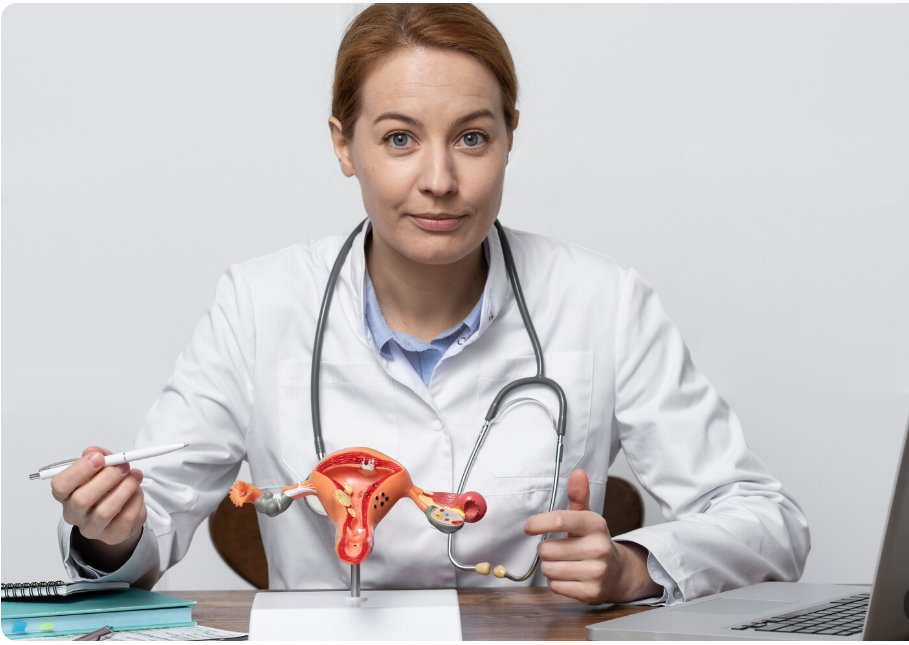
PCOS is a hormonal and metabolic condition that can affect menstrual cycles, ovulation, skin, and fertility. Some women with PCOS also experience insulin resistance and an increased risk of developing type 2 diabetes.
Possible symptoms include irregular or absent periods, acne, increased facial or body hair, scalp hair thinning, and difficulty becoming pregnant. Not everyone experiences the same symptoms.
Solutions and treatment
PCOS does not have a single treatment that works for everyone. Management depends on symptoms, health risks, and whether pregnancy is desired.
Possible approaches include:
- Balanced nutrition: Eat a varied diet containing vegetables, fruits, whole grains, protein sources, and healthy fats.
- Regular physical activity: Choose sustainable activities that support metabolic health and general fitness.
- Medical treatment: A clinician may prescribe hormonal contraception to manage certain menstrual symptoms or other medication for specific metabolic or reproductive concerns.
- Fertility support: People trying to conceive may benefit from an individualized assessment and fertility treatment when appropriate.
- Long-term monitoring: Regular medical reviews can help assess blood pressure, blood sugar, and other relevant risks.
Healthy habits may improve some PCOS symptoms, but they do not replace medical evaluation. PCOS is also not a personal failure or simply a result of body weight.
3. Endometriosis and Severe Period Pain
Endometriosis is a condition in which tissue similar to the lining of the uterus grows outside the uterus. It may cause significant pain and can affect everyday activities, relationships, and fertility.
Common symptoms include severe menstrual cramps, persistent pelvic pain, pain during or after sex, pain when passing urine or stool, fatigue, and sometimes difficulty becoming pregnant.
Severe period pain should not automatically be dismissed as normal. Endometriosis can take time to diagnose because its symptoms may resemble those of other conditions.
Available solutions
Treatment depends on symptom severity, medical history, and pregnancy plans. Options may include:
- Pain-relieving medication recommended by a healthcare professional.
- Hormonal treatment to reduce symptoms.
- Specialist assessment and further investigations.
- Surgery in selected cases.
Heat therapy and gentle activity may provide some relief, but they do not treat the underlying condition. Anyone whose period pain regularly prevents normal activities should seek medical evaluation.
4. Iron-Deficiency Anaemia
Anaemia occurs when the body does not have enough healthy red blood cells or haemoglobin to carry oxygen effectively. Iron deficiency is a common cause, and heavy menstrual bleeding can increase the risk.
Symptoms may include tiredness, weakness, dizziness, headaches, shortness of breath, pale skin, or a racing heartbeat.
Anaemia can affect concentration, physical stamina, and everyday functioning.
Solutions and prevention
Iron-rich foods include lentils, beans, leafy green vegetables, meat, and iron-fortified cereals. Vitamin C-rich foods, such as citrus fruits, can improve the absorption of iron from plant-based foods.
However, food alone may not correct significant iron deficiency.
A healthcare professional may recommend a complete blood count and iron studies, including ferritin, depending on the circumstances. Iron supplements may be prescribed when needed, while heavy menstrual bleeding or another underlying cause should also be investigated.
Avoid taking high-dose iron supplements without appropriate advice because excess iron can be harmful.
5. Vaginal Infections and Urinary Tract Infections
Vaginal symptoms and urinary tract infections (UTIs) are common reasons women seek medical care. Although they can cause overlapping symptoms, they are different conditions and may require different treatments.
Vaginal infections
Symptoms can include unusual discharge, itching, irritation, odour, or discomfort. Possible causes include yeast infections, bacterial vaginosis, and sexually transmitted infections.
The correct treatment depends on the cause. Repeatedly using over-the-counter or home remedies without a diagnosis may delay appropriate care.
Avoid vaginal douching and perfumed products that can irritate sensitive tissues. Seek medical advice if symptoms are new, persistent, recurrent, or accompanied by pelvic pain or fever.
Urinary tract infections
A UTI may cause burning during urination, frequent urination, urgency, or lower abdominal discomfort.
Treatment may require prescribed antibiotics. Drinking adequate fluids can support general hydration, but it does not cure an established bacterial infection.
Seek prompt medical care for urinary symptoms accompanied by fever, chills, back or side pain, vomiting, or pregnancy. These signs may indicate a more serious infection.
6. Breast Health and Breast Cancer Awareness
Breast changes can occur because of hormonal fluctuations, pregnancy, ageing, cysts, infections, or other conditions. Most breast changes are not cancer, but unusual or persistent changes should be assessed.
Potential warning signs include:
- A new lump in the breast or underarm.
- Changes in breast size or shape.
- Skin dimpling or persistent redness.
- New nipple inversion or unusual discharge.
- A persistent change in the appearance of the nipple.
- Breast swelling or pain that does not resolve.
Solutions and preventive care
There is no guaranteed way to prevent breast cancer, but awareness and appropriate screening can help identify concerns earlier.
Women should understand what is usual for their breasts and seek medical assessment when a new change appears. A clinician may recommend examination, ultrasound, mammography, or other tests according to age, symptoms, and individual risk.
Screening recommendations vary by country and personal risk. Women with a strong family history or known inherited risk may need a personalized screening plan.
7. Pregnancy-Related Health Problems
Pregnancy can bring physical and hormonal changes, and some women experience complications that require medical attention.
Potential concerns include anaemia, gestational diabetes, high blood pressure, severe vomiting, infections, and complications affecting the placenta or developing baby.
Solutions and healthy pregnancy care
Antenatal care is important for monitoring the health of the pregnant person and the developing baby. It may include blood pressure checks, blood tests, ultrasound examinations, nutrition advice, and screening for pregnancy-related conditions.
Helpful steps include:
- Attend recommended antenatal appointments.
- Take prenatal supplements, including folic acid, as advised.
- Follow food-safety and medication guidance from a qualified professional.
- Avoid alcohol and smoking during pregnancy.
- Discuss existing medical conditions and all medicines with the healthcare team.
- Seek care promptly for concerning symptoms.
Urgent warning signs include heavy bleeding, severe abdominal pain, severe headache with visual changes, difficulty breathing, seizures, or reduced fetal movement after movements have become established. Seek emergency medical care for severe or sudden symptoms.
8. Menopause and Hormonal Changes
Menopause is a natural stage of life that usually occurs between ages 45 and 55. It is defined retrospectively after 12 consecutive months without a menstrual period when another cause does not explain the absence of periods.
The transition leading up to menopause is called perimenopause. During this period, hormone levels change and menstrual cycles may become irregular.
Possible symptoms include hot flashes, night sweats, sleep disturbances, vaginal dryness, mood changes, and changes in sexual comfort. Some women experience few symptoms, while others find them disruptive.
Solutions for menopause symptoms
Management depends on the symptoms and the individual’s medical history.
- Maintain regular physical activity and a consistent sleep routine.
- Use breathable clothing and identify possible hot-flash triggers.
- Discuss vaginal dryness or painful sex with a healthcare professional; suitable vaginal moisturizers, lubricants, or prescription treatments may help.
- Ask about menopausal hormone therapy or non-hormonal treatments when symptoms affect quality of life.
- Discuss bone health, cardiovascular risk, and appropriate preventive screening.
Hormone therapy is not suitable for everyone, so the benefits and risks should be assessed individually.
Important: Any vaginal bleeding after menopause needs medical evaluation, even if it occurs only once or consists of light spotting.
9. Mental Health Problems: Stress, Anxiety, and Depression
Mental health is an essential part of women’s overall health. Work demands, caregiving responsibilities, financial pressure, relationship difficulties, hormonal transitions, pregnancy, and postpartum changes may affect emotional well-being.
Common symptoms of anxiety or depression can include persistent sadness, excessive worry, irritability, sleep changes, loss of interest, low energy, and difficulty concentrating.
Practical solutions
Helpful strategies may include:
- Maintaining a regular sleep schedule.
- Engaging in physical activity suited to individual ability.
- Staying connected with trusted friends or family members.
- Practising relaxation or mindfulness techniques.
- Setting realistic boundaries around work and caregiving.
- Seeking counselling or psychological therapy when needed.
Professional treatment may include therapy, medication, or a combination of approaches. Mental health symptoms should not be dismissed as weakness or something a person must simply endure.
If someone has thoughts of suicide or feels unable to stay safe, seek immediate help from emergency services or a crisis service and involve a trusted person.
10. Osteoporosis and Bone Health
Osteoporosis is a condition in which bones become weaker and more likely to fracture. Risk increases with age, and bone loss can accelerate after menopause as oestrogen levels decline.
Osteoporosis often develops without obvious symptoms until a fracture occurs.
Solutions and prevention
Bone health can be supported through:
- Adequate calcium intake from foods such as dairy products, calcium-fortified alternatives, and selected leafy vegetables.
- Sufficient vitamin D through appropriate dietary sources, safe sunlight exposure, or supplements when advised.
- Weight-bearing and resistance exercises suited to individual ability.
- Avoiding smoking and limiting alcohol.
- Reviewing medications and personal risk factors with a clinician.
Bone-density testing may be recommended depending on age, fracture history, medical conditions, and other risk factors.
11. Heart Disease and High Blood Pressure
Heart disease is an important women’s health concern. Risk can be influenced by high blood pressure, diabetes, cholesterol levels, smoking, family history, and other factors.
Women may experience chest discomfort, shortness of breath, nausea, unusual fatigue, or pain in the back, jaw, arm, or upper abdomen during a heart attack. Symptoms vary, and chest pain is not always the only warning sign.
Solutions and prevention
Preventive care includes monitoring blood pressure, checking cholesterol and blood sugar when appropriate, maintaining physical activity, eating a balanced diet, and avoiding tobacco.
A healthcare professional can assess individual risk and recommend treatment when needed.
Call emergency services immediately if you suspect a heart attack, particularly if symptoms are sudden, severe, or accompanied by breathlessness, sweating, faintness, or nausea. Do not delay care while trying home remedies.
Common Women’s Health Problems and Their Solutions
| Health problem | Common warning signs | Possible management |
|---|---|---|
| Menstrual problems | Heavy bleeding, irregular periods, severe cramps | Symptom tracking, medical assessment, cause-specific treatment |
| PCOS | Irregular periods, acne, increased facial hair | Lifestyle support, medical treatment, metabolic monitoring |
| Endometriosis | Severe period pain, pelvic pain | Medical assessment, pain relief, hormonal treatment or surgery when indicated |
| Iron-deficiency anaemia | Fatigue, weakness, dizziness | Blood tests, iron-rich diet, prescribed supplements when needed |
| Vaginal infections | Itching, irritation, unusual discharge | Diagnosis and treatment appropriate to the cause |
| UTI | Burning urination, frequency, urgency | Medical assessment and antibiotics when indicated |
| Menopause | Hot flashes, sleep problems, vaginal dryness | Lifestyle adjustments and individualized treatment |
| Osteoporosis | Often no early symptoms; fractures may occur | Bone-health measures and risk-based assessment |
| Mental health concerns | Persistent sadness, worry, sleep or mood changes | Support, counselling, therapy, or medication as appropriate |
| Heart disease | Chest discomfort, breathlessness, unusual fatigue | Risk-factor management and urgent care for suspected emergencies |
This table provides general information rather than a diagnosis. Similar symptoms can have different causes, and appropriate treatment depends on individual assessment.
Daily Habits That Support Women’s Health
Healthy routines can support physical and mental well-being at every stage of life. They cannot eliminate every disease, but they may reduce certain risks and help people manage existing conditions.
Eat a Balanced Diet
Include a variety of vegetables, fruits, whole grains, protein sources, and healthy fats. Pay attention to iron, calcium, vitamin D, and other nutrients based on age, dietary pattern, and individual needs.
Supplements should be selected according to medical advice rather than used as a substitute for a balanced diet or treatment.
Exercise Regularly
Walking, cycling, swimming, strength training, and other suitable activities can support heart health, bone strength, mood, and metabolic health.
Begin at a manageable level and adapt exercise to pregnancy, chronic conditions, injuries, or other medical needs.
Prioritize Sleep and Stress Management
A consistent sleep schedule and a relaxing bedtime routine may improve energy, mood, and concentration. Stress-management approaches can include breathing exercises, hobbies, social support, and professional counselling when needed.
Attend Preventive Health Checkups
Routine care may include blood pressure measurement, diabetes screening, cervical cancer screening, breast health assessment, vaccinations, and other tests based on age, medical history, and local recommendations.
Cervical cancer screening and HPV vaccination, where recommended and available, are important parts of prevention.
Seek Care Without Shame
Menstrual symptoms, vaginal concerns, fertility difficulties, menopause symptoms, and mental health problems can feel personal or embarrassing. However, these concerns are valid reasons to seek medical care.
Early discussion with a qualified healthcare professional may help identify treatable conditions and prevent delays in care.
When Should Women Seek Medical Help?
Some symptoms require routine appointments, while others need urgent assessment.
Arrange a medical appointment for persistent menstrual changes, unusual discharge, recurrent urinary symptoms, unexplained fatigue, new breast changes, or menopause symptoms that interfere with daily life.
Seek urgent or emergency care for:
- Severe or sudden abdominal or pelvic pain.
- Heavy bleeding with fainting, marked weakness, or dizziness.
- Chest pain or sudden difficulty breathing.
- Sudden weakness, confusion, or difficulty speaking.
- Pregnancy-related bleeding or severe pain.
- Fever with severe back or side pain and urinary symptoms.
- Any immediate risk of self-harm.
Do not delay emergency care in order to try home treatments first.
Frequently Asked Questions About Women’s Health Problems and Solutions
1. What are the most common women’s health problems?
Common concerns include menstrual disorders, PCOS, endometriosis, anaemia, urinary tract infections, vaginal infections, pregnancy-related conditions, menopause symptoms, mental health difficulties, osteoporosis, and cardiovascular disease. The most relevant concerns vary with age, health history, and individual circumstances.
2. How can women improve their health naturally?
Balanced nutrition, regular exercise, sufficient sleep, stress management, avoiding tobacco, and attending preventive health appointments can support overall well-being. However, natural approaches cannot replace medical treatment for conditions such as severe anaemia, infections, or significant menstrual disorders.
3. Why are periods irregular?
Irregular periods may be related to pregnancy, hormonal changes, PCOS, thyroid disorders, stress, changes in weight or exercise, certain medicines, or other medical conditions. Persistent irregularity or missed periods should be assessed by a healthcare professional.
4. What health checkups should women consider?
Depending on age, risk factors, and local guidance, checkups may include blood pressure and diabetes assessment, cervical cancer screening, breast health evaluation, vaccination review, and discussions about reproductive, mental, and bone health. The appropriate schedule should be individualized.
5. When should a woman consult a doctor about a health problem?
A woman should seek medical advice when symptoms are persistent, unusual, worsening, or interfere with daily activities. Severe pain, heavy bleeding with faintness, suspected heart attack symptoms, and serious pregnancy-related warning signs require urgent or emergency assessment.
| Read more: Rajasthan University of Health |
One thought on “Women’s Health Problems and Solutions: Common Conditions, Warning Signs, Prevention, and Effective Treatment Options”