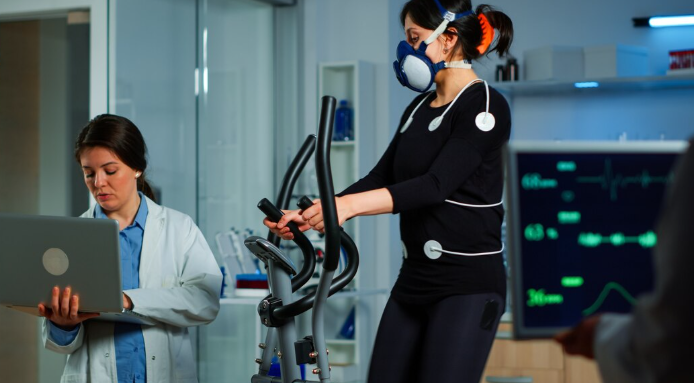
Fitness companies play an important role in helping people improve their physical activity, strength, mobility, endurance, and overall wellness. The fitness industry has expanded well beyond traditional gyms and workout centers. Today, it includes health clubs, boutique studios, personal training businesses, fitness technology companies, online workout platforms, wellness services, equipment manufacturers, and corporate fitness providers.
For consumers, understanding the different types of fitness companies can make it easier to choose services that match their goals and preferences. For entrepreneurs and job seekers, the industry offers a wide variety of business and career opportunities.
What Are Fitness Companies?
Fitness companies are businesses that provide products or services related to exercise, physical activity, training, recreation, or wellness.
Some operate physical facilities where members can exercise, while others provide digital services through websites and mobile applications. Some companies focus on specific activities such as yoga, cycling, strength training, swimming, or group fitness.
Common types include:
- Traditional gyms
- Health clubs
- Boutique fitness studios
- Personal training businesses
- Online fitness platforms
- Fitness equipment companies
- Sports and recreation businesses
- Corporate wellness providers
- Fitness technology companies
- Wellness and recovery businesses
The industry serves people with many different fitness interests, from beginners looking for basic exercise guidance to experienced athletes seeking specialized training.
Traditional Fitness Companies
Traditional gyms and health clubs remain an important part of the fitness industry.
These facilities generally provide access to cardio equipment, resistance machines, free weights, stretching areas, and other exercise spaces. Larger health clubs may also offer group classes, swimming pools, saunas, locker rooms, childcare, or other amenities.
Membership structures can vary considerably. Some facilities operate on monthly memberships, while others offer annual plans, day passes, class packages, or different membership levels.
When evaluating a traditional fitness company, consumers can consider location, operating hours, equipment availability, cleanliness, crowd levels, and membership terms.
Boutique Fitness Companies
Boutique fitness companies typically focus on a specific workout style or training experience.
Examples can include:
- Cycling studios
- Yoga studios
- Pilates studios
- Boxing gyms
- Dance fitness studios
- Strength-training studios
- Functional fitness centers
- Specialized athletic training facilities
Boutique businesses often emphasize smaller classes and instructor-led experiences.
This format can appeal to people who prefer structured workouts and a community-oriented environment.
Personal Training Companies
Personal training businesses provide individualized exercise guidance.
A personal trainer may develop workouts based on a client’s fitness experience, goals, schedule, and available equipment.
Training can take place in a gym, private studio, outdoor setting, or through online sessions.
Personal training companies may employ multiple trainers with different specialties, including strength training, mobility, sports conditioning, senior fitness, or general fitness.
When choosing a trainer, consumers can consider qualifications, experience, communication style, availability, and the type of training offered.
Online Fitness Companies
Digital fitness has expanded significantly with the growth of smartphones, streaming platforms, and connected devices.
Online fitness companies may provide:
- Workout videos
- Live classes
- Training programs
- Exercise libraries
- Fitness tracking
- Coaching
- Nutrition-related educational content
- Community features
Online services can be convenient for people who prefer exercising at home or need flexible schedules.
Some platforms offer general workouts, while others specialize in areas such as strength training, yoga, running, cycling, or mobility.
Fitness Technology Companies
Fitness technology companies combine exercise with digital tools.
Products and services can include wearable devices, smart fitness equipment, workout applications, activity trackers, heart-rate monitors, connected exercise machines, and digital coaching platforms.
These technologies can help users track metrics such as steps, workouts, distance, pace, heart rate, and other activity measurements.
The growing use of connected devices has also created opportunities for companies to develop personalized training experiences based on user data.
Fitness Equipment Companies
Fitness equipment companies design and manufacture products for homes, gyms, studios, schools, sports facilities, and other organizations.
Equipment can include:
- Treadmills
- Exercise bikes
- Rowing machines
- Dumbbells
- Barbells
- Weight machines
- Resistance equipment
- Yoga accessories
- Exercise mats
- Functional training equipment
Some manufacturers focus on commercial equipment, while others target home fitness consumers.
When selecting equipment, buyers should consider available space, durability, safety, maintenance, and the type of exercise they plan to perform.
Corporate Fitness Companies
Corporate fitness providers work with businesses to support employee wellness and physical activity.
Services can include workplace fitness classes, wellness programs, educational sessions, fitness challenges, gym access, coaching, and digital wellness platforms.
Companies may use these services as part of broader employee wellness initiatives.
Corporate fitness can also include programs designed for remote employees, allowing workers to access digital exercise resources from different locations.
Sports and Recreation Companies
The fitness industry overlaps with sports and recreation.
Businesses may offer training programs for runners, cyclists, swimmers, athletes, or outdoor enthusiasts. Others operate recreational facilities or provide sports instruction.
These companies can create specialized programs designed around performance, skill development, conditioning, or recreational participation.
What Services Do Fitness Companies Provide?
Services vary depending on the business model.
A full-service health club may provide equipment, group classes, personal training, swimming, and recreational amenities.
A small studio may focus on one type of exercise.
An online platform may provide digital workouts and tracking tools.
Personal training businesses may focus primarily on one-to-one coaching.
This variety gives consumers many options, but it also means that comparing services carefully is important.
How to Choose Among Fitness Companies
The right fitness company depends on individual needs.
Start by identifying what you want from the service. Someone who enjoys independent workouts may prefer a traditional gym, while someone who needs structure may prefer instructor-led classes.
Location is another important consideration. A convenient facility is often easier to incorporate into a regular routine.
Cost should also be considered. Compare membership fees, enrollment charges, personal training costs, class fees, equipment requirements, and cancellation policies.
Other factors include:
- Facility cleanliness
- Equipment quality
- Staff availability
- Class schedules
- Trainer qualifications
- Community atmosphere
- Online access
- Operating hours
- Contract requirements
Fitness Companies and Technology
Technology continues to influence how fitness services are delivered.
Mobile applications can provide personalized workout recommendations, reminders, progress tracking, and digital coaching. Wearable devices can collect activity information, while connected equipment can provide interactive training experiences.
Artificial intelligence is also being incorporated into some fitness products and services for areas such as workout personalization, data analysis, and digital coaching.
However, technology should complement sound training principles rather than replace appropriate professional guidance when specialized support is needed.
Careers at Fitness Companies
Fitness companies employ people with many different skills.
Potential career paths include:
- Personal trainer
- Fitness instructor
- Gym manager
- Sales representative
- Membership consultant
- Customer service specialist
- Strength and conditioning coach
- Group exercise instructor
- Fitness equipment specialist
- Software developer
- Marketing professional
- Operations manager
Large companies may also employ professionals in finance, human resources, information technology, legal services, product development, and business strategy.
Skills for Fitness Industry Careers
Different positions require different qualifications, but several skills are broadly useful.
Communication is important because many fitness professionals work directly with clients.
Customer service skills can help employees build positive relationships with members.
Technical knowledge is important for trainers, coaches, equipment specialists, and technology professionals.
Business and management skills can be valuable for people working in operations, sales, marketing, and leadership.
Digital skills are increasingly useful because many fitness businesses rely on applications, online booking systems, customer databases, social media, and digital marketing.
Starting a Fitness Business
Entrepreneurs can enter the fitness industry through several business models.
A small personal training studio can require less space than a traditional gym. Online coaching can operate without a large physical facility. Boutique studios can focus on specialized classes.
Before starting a business, entrepreneurs should research their target customers, local competition, operating costs, equipment requirements, staffing needs, insurance, marketing, and applicable regulations.
A clear business model can help determine whether the company will rely on memberships, individual sessions, classes, subscriptions, product sales, or a combination of revenue sources.
Fitness Companies and Consumer Trends
Consumer expectations continue to change.
Some people prefer convenient home workouts, while others value the social experience of physical fitness facilities. Hybrid models can combine in-person classes with digital services.
Personalization is another important trend. Consumers increasingly have access to programs designed around individual goals, schedules, activity levels, and preferences.
Technology, convenience, community, specialized training, and flexible access are likely to remain important considerations for fitness businesses.
Sustainability in the Fitness Industry
Some fitness companies are also paying attention to sustainability.
Examples can include energy-efficient equipment, reusable materials, environmentally conscious facility design, reduced paper use, and responsible sourcing.
Equipment manufacturers may also explore more durable materials and longer product lifecycles.
Sustainability initiatives vary between companies, so consumers interested in environmental practices should review specific company policies rather than making assumptions based on industry trends.
The Future of Fitness Companies
The fitness industry is likely to continue combining physical facilities with digital services.
Gyms may offer connected equipment and digital class options, while online platforms may create opportunities for virtual coaching and community interaction.
Wearable technology and fitness applications can provide more data for users and trainers, while businesses may use analytics to improve customer experiences.
At the same time, traditional gyms, studios, trainers, and sports facilities remain important because many people value face-to-face instruction and social interaction.
Final Thoughts
Fitness companies represent a broad and evolving industry that includes gyms, studios, personal training businesses, technology providers, equipment manufacturers, online platforms, corporate wellness services, and sports organizations.
For consumers, the best option depends on factors such as fitness goals, budget, location, preferred activities, schedule, and desired level of support. For professionals, the industry offers career opportunities across fitness, technology, sales, marketing, management, and operations.
As digital tools and personalized services continue to develop, fitness companies are likely to provide an increasingly diverse range of ways for people to exercise and engage with wellness.
What are fitness companies?
Fitness companies are businesses that provide exercise, training, wellness, fitness technology, equipment, or related services. They can operate gyms, studios, online platforms, equipment businesses, or corporate wellness programs.
What types of fitness companies are available?
Common types include traditional gyms, boutique studios, personal training companies, online fitness platforms, equipment manufacturers, fitness technology companies, and corporate wellness providers.
How do I choose a fitness company?
Consider your goals, budget, location, preferred workout style, class schedules, equipment, trainer availability, membership terms, and the overall environment.
Can I build a career at a fitness company without being a personal trainer?
Yes. Fitness companies employ professionals in sales, customer service, marketing, technology, finance, human resources, operations, equipment management, and other areas.
What are current trends affecting fitness companies?
Important trends include digital workouts, wearable technology, connected equipment, personalized training, hybrid fitness services, online coaching, and technology-supported customer experiences.